Frequently Asked Questions
What is SkillForce?
SkillForce is a charity that partners with schools, and draws on the skills and experiences of predominantly ex-Forces personnel, to inspire young people to succeed.
Who do you work with?
We work with young people between the ages of 10 years and 17 years in England, Scotland and Wales. Most of our work is with young people aged 14-16 years. We work in partnership with schools to shape programmes to the needs of students and the school. In general, we do this to deliver three outcomes for the young person: a) we bring the hardest-to-reach back into the fold; b) we engage those who need a tailored (more activity-based) approach to education and help them prepare for next steps in work, training or education, and; c) we help prepare primary school children for the step-up to secondary school.
Why SkillForce?
We are the trusted provider in the sector. We have 12 years’ experience of working with young people across the country. We get results because we understand that some students need a tailored approach. The empathy and skills of our instructors engage young people and, working with the school, lift aspirations and levels of achievement.
How does SkillForce work?
Our instructors work in school-time on school premises, usually one or two days a week. We have a range of programmes and schemes of activity-based learning which engage the young people, develop their skills and prepare them for the next stage in the lives in work, training or school. We tailor the programme to the student and requirements of the school.
Programmes can run for a short, defined period of time to help boost certain skills or levels of achievement, or we have longer courses which run over one or two years. It depends on the outcomes which the school and student are looking for.
What are your Charity’s aims?
Our aim is to inspire young people to succeed, working in partnership with schools and drawing on the skills and experiences of predominantly ex-Services personnel. SkillForce engages young people (mostly the hard-to-reach, those facing exclusion, or those disaffected with school), develops their skills, and prepares them for next steps in education, work or training.
Who benefits from your charity’s work?
The most important beneficiaries of the charity are young people in England, Scotland and Wales, mostly in secondary schools. We are also working with a growing number at primary level.
Often our students are from disadvantaged backgrounds or receive free school meals. We benefit those who need a more tailored or activity-based approach to education.
There are two other key beneficiaries. The schools we work with benefit because we engage some of their most challenging students, having a positive impact on the rest of the school. Finally, more than 70% of our instructors have an ex-Forces background. Our charity provides career opportunities in education for Service leavers through our Military to Mentor programme, training and recruitment (including wounded, injured and sick).
What does it actually do for the young person?
We work towards three outcomes for the young person: a) we bring the hardest-to-reach back into the fold; b) we engage those who need a tailored (more activity-based) approach to education and help them prepare for next steps beyond school, and; c) we prepare primary school children for the all-important step-up to secondary school.
Our programmes help develop their character, their confidence and self-awareness. At the end of that journey, the young people are more employable, have greater awareness of their own skills, and are ready to take the next step in their lives.
We use recognised qualifications and awards as tools to deliver these three outcomes (e.g. BTEC, Wider Key Skills, First Aid). This can benefit the student and can support the aims of the school.
We also have our own SkillForce programmes, and use our approach to complement the school’s existing curriculum (e.g. SQAs in Scotland). These are designed to deliver outcomes agreed with the school. We can tailor our own “Community, Character, Contribution”, “Ethos” or “Zero Exclusion” programmes to achieve those outcomes.
What kind of qualifications can you offer?
We see qualifications as tools to deliver the outcome for the young person (getting them back on track or choosing their next step into further education, training or work).
In England, we offer a range of qualifications as part of delivering the outcome for the young person. In certain regions, instructors may also be able to offer other specialist qualifications. Once we know the outcome you wish to achieve, we would be happy to find a programme to make it work.
In Scotland, we are able to offer activity-based learning which complements SQA programmes. Once we know the outcome you wish to achieve, we would be happy to find a programme to make it work.
How do you work with schools?
Our instructors work in school-time on school premises, usually one or two days a week. We tailor the programme to the student and requirements of the school. We work in a complementary way (not an alternative way) to further the aims of the Principal or Curriculum Lead. The starting point is agreeing the outcomes for the young people.
What about employment for ex-Services?
More than 70% of SkillForce have an ex-Forces background. We also have a wealth of instructors without a Services background who bring experience and expertise in working with young people. We are always looking for committed, talented and empathetic instructors who can be role models for young people. We warmly welcome interest from wounded, injured or sick servicemen and women. Please get in touch for more information.
What do you do for the armed forces?
We have many years’ experience of helping ex-Service personnel find a new career or meaningful work or experience in the education sector. The skills and experiences of many ex-Forces personnel are deeply valued, and can make an inspirational difference to the lives of young people. Having served their country, many want to serve their community. We feel that our instructors often benefit from working with hard-to-reach young people. We also look for opportunities for career transition for wounded, injured or sick.
What is the Military to Mentors programme?
Our Military to Mentors programme is a valuable stepping stone for Service-leavers considering work in education or working with young people.
SkillForce Mentors have life experience and skills gathered from operational military service. Working in schools as part of a local team, our mentors take a professional and caring approach to inspire young people of all backgrounds to succeed. SKillForce mentors work with young people who are at risk of exclusion from school because of poor behaviour or attendance. The Mentors help find solutions to their problems and offer practical advice when needed.
The Mentors receive recognised training with qualifications: Mentoring for Young Learners, PTLLS, Health and First Aid, Child Protection. The mentors pay nothing. All training and work experience placements are funded under the Department of Education Troops to Teachers initiative.
Aren’t you a boot camp?
No, certainly not a boot camp. We have 12 years’ experience of working with young people in the classroom environment, partnered with activity-based learning beyond it. Our instructors build a rapport of mutual respect with the young people they work with. It’s about trust, respect and confidence. We find that gets results – not shouting or forced marching.
Do you wear uniform?
Yes, but not camouflaged military clothing. Our instructors in schools have a recognisable, smart SkillForce uniform. We work closely with schools to uphold standards of professionalism (and a positive image for the school) that members of staff, parents and students would expect.
What about external trips?
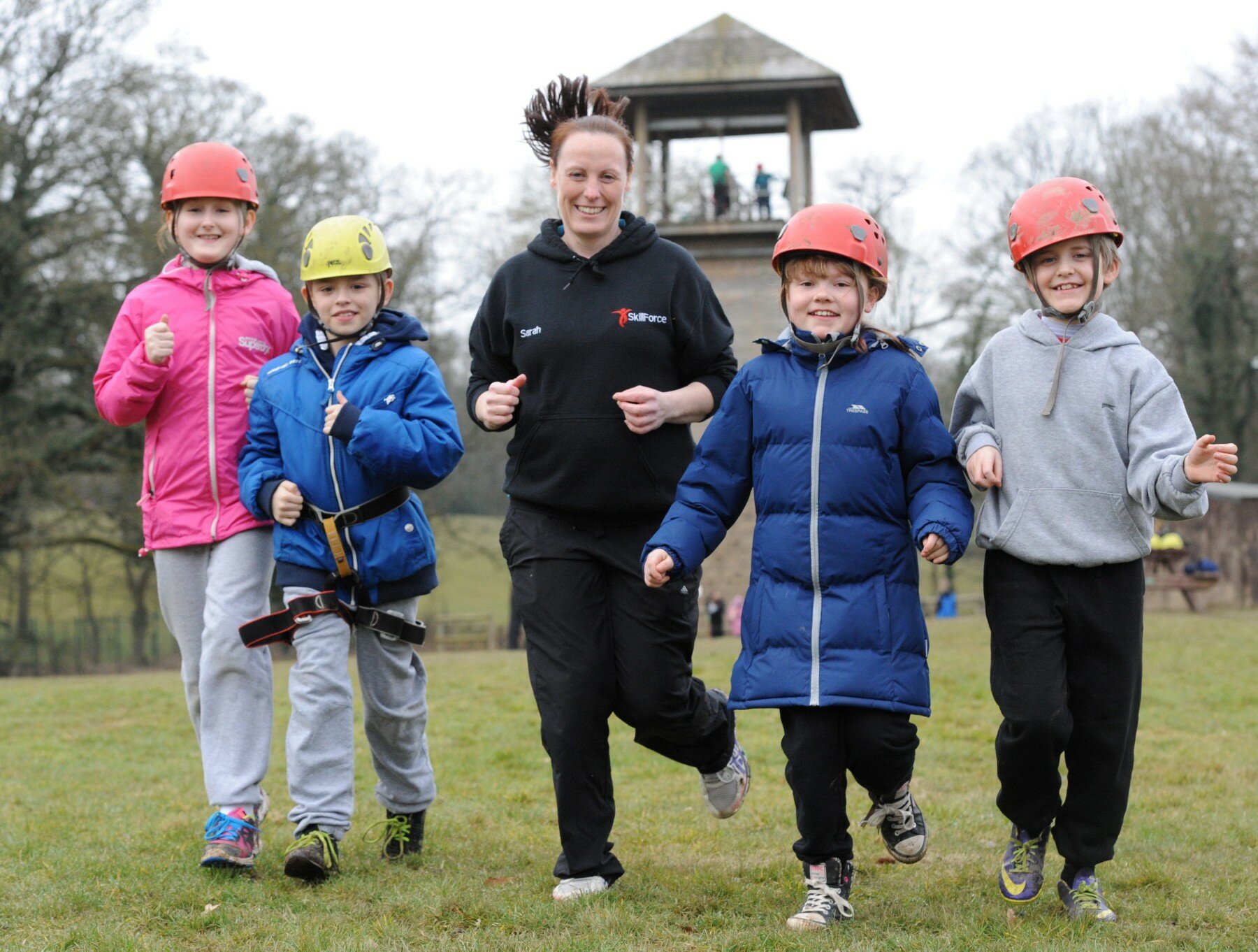
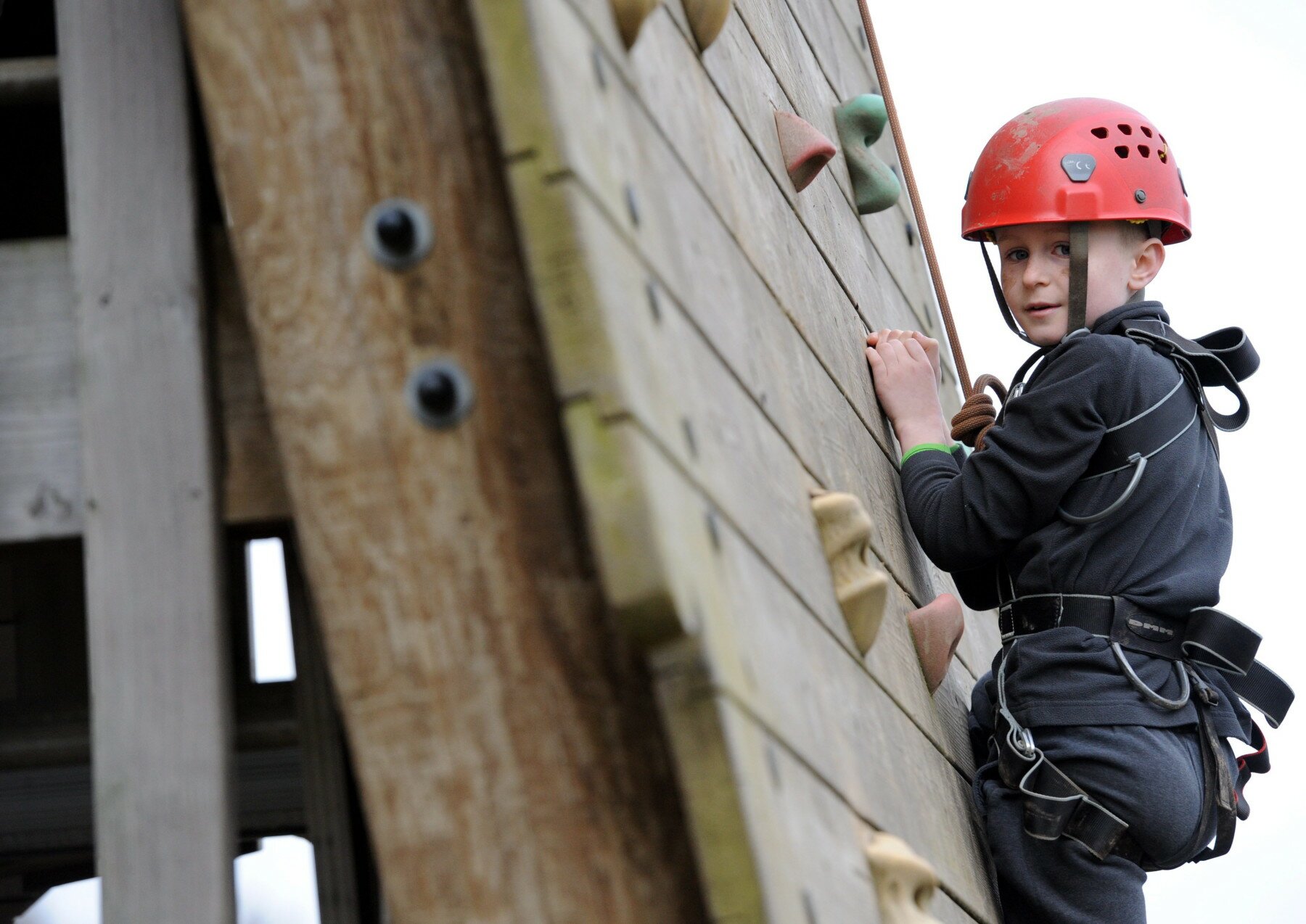
Elements of a SkillForce programme take place outside the classroom. We see outdoor trips and activities as an important way to inspire the young person to succeed. Often we learn by doing and experiences. All trips are rooted in the educational outcomes of the course, and are prepared with the co-operation of the school and students.
How do you measure what you do?
We start with agreeing the outcome for the young person. Then, during the course, our instructors collect data in the classroom everyday (e.g. attendance, academic achievement) which is analysed by SkillForce staff and shared with the school on a regular basis. We use feedback forms, questionnaires and interviews to make sure we are track to deliver outcomes for the young person. Our Social Impact Report, which we can share with you, has more information.